Published June 16, 2026
Moving to Vancouver WA in 2026: What You Need to Know

Moving to Vancouver, WA in 2026: What You Need to Know
Thinking about making the move to Vancouver, Washington in 2026? You're not alone.
Vancouver continues to attract families, professionals, retirees, and remote workers looking for a better quality of life, access to outdoor recreation, and a more affordable alternative to larger West Coast cities. With a growing economy, strong community feel, and no state income tax, it's easy to see why so many people are choosing to call Vancouver home. Vancouver's population has grown to more than 200,000 residents and is expected to continue expanding significantly over the next two decades.
Before you pack the moving truck, here's what you need to know about living in Vancouver in 2026.
Why People Are Moving to Vancouver
Vancouver offers a unique combination of suburban comfort and big-city convenience. Located just across the Columbia River from Portland, Oregon, residents enjoy access to a major metropolitan area while maintaining a slower-paced lifestyle.
Many newcomers are drawn to:
- No Washington state income tax
- Strong job opportunities throughout the Portland-Vancouver metro area
- Family-friendly neighborhoods
- Easy access to outdoor recreation
- Growing dining, shopping, and entertainment options
- A revitalized waterfront district
The city continues to experience strong population growth and economic development, making it one of the fastest-growing communities in the Pacific Northwest.
Understanding the Cost of Living
While Vancouver remains more affordable than Seattle and many California markets, housing costs have increased as demand continues to rise.
Home prices remain significantly lower than many larger West Coast cities, making Vancouver an attractive destination for relocating buyers. Industry forecasts expect home values to continue appreciating at a moderate pace throughout 2026.
Renters should also expect competitive pricing, particularly in newer developments and desirable neighborhoods.
The good news? Many residents find that the overall financial benefits, especially Washington's lack of state income tax, help offset housing expenses.
Best Neighborhoods to Consider
One of the best things about Vancouver is the variety of neighborhoods available.
Felida
Popular among families looking for larger lots, established homes, and a quieter suburban atmosphere.
Salmon Creek
Known for excellent access to healthcare, shopping, parks, and convenient freeway access.
Fishers Landing
A favorite for commuters who want newer homes, strong schools, and easy access to Portland.
Cascade Park
Offers a mix of affordability, convenience, and established neighborhoods.
Downtown Vancouver
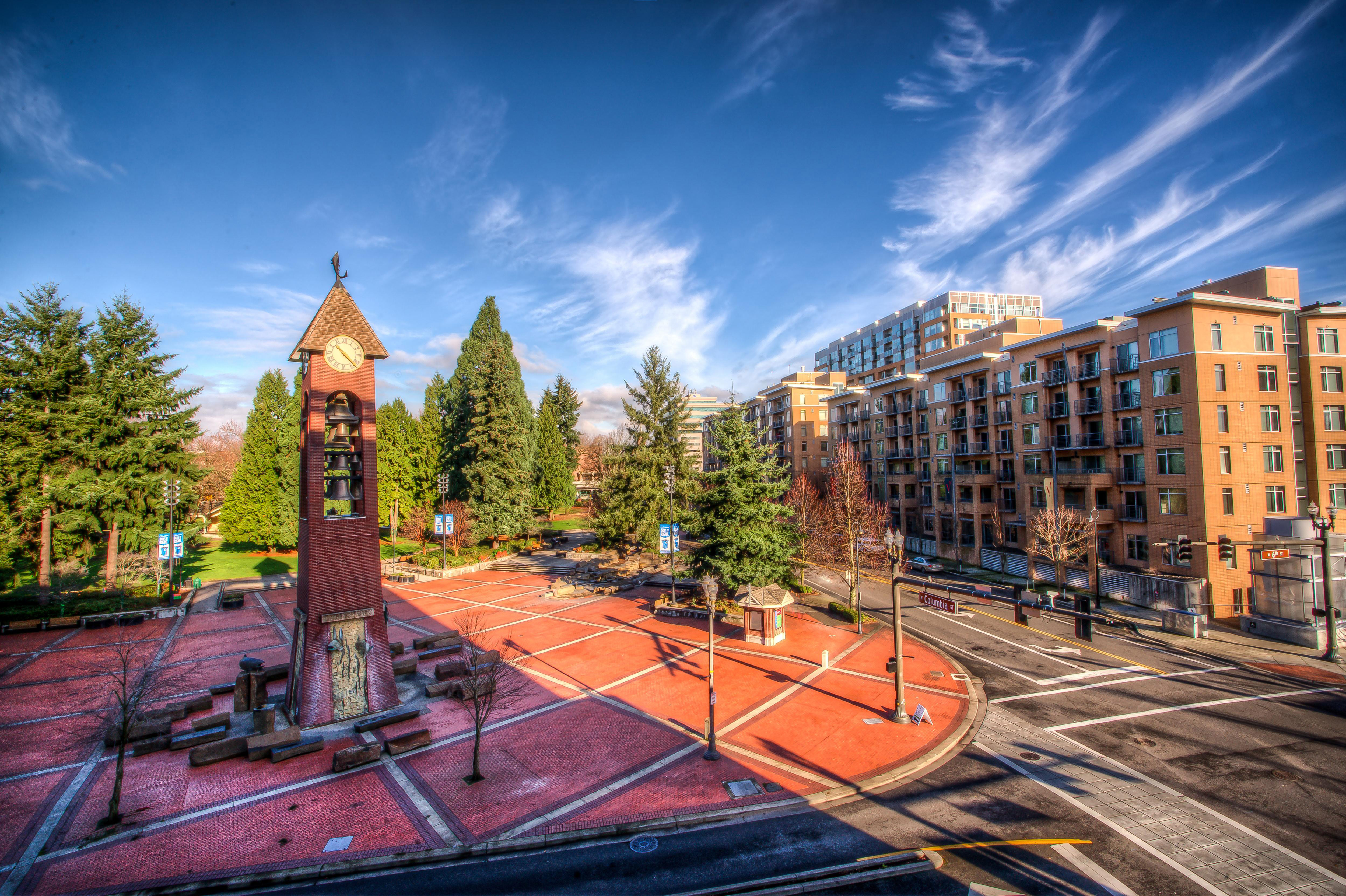
Perfect for those seeking walkability, restaurants, breweries, and waterfront living.
Camas and Ridgefield
While technically separate cities, these neighboring communities are often high on relocation buyers' lists due to strong schools and community appeal.
The Commute Reality
One of the biggest questions I hear from relocating buyers is:
"Can I live in Vancouver and work in Portland?"
Absolutely.
Thousands of people make that commute every day. However, traffic across the Columbia River can become congested during peak hours.
If you'll be working in Oregon, it's worth considering commute times when selecting your neighborhood. Living in East Vancouver may add considerable time to your daily drive compared to living closer to I-5.
Remote workers often find Vancouver especially appealing because they can enjoy the area's benefits without dealing with daily bridge traffic.
Outdoor Lifestyle
If you enjoy the outdoors, Vancouver is hard to beat.
Within an hour or two, you can access:
- The Columbia River Gorge
- Mount St. Helens
- Mount Hood
- Pacific Coast beaches
- Countless hiking trails
- Fishing, boating, and kayaking opportunities
For many residents, outdoor recreation isn't a vacation activity. It's simply part of everyday life.
Weather Expectations
Yes, it rains.
But probably not as much as you've heard.
Vancouver experiences mild winters, beautiful springs, warm summers, and colorful fall seasons. Summers are generally dry and comfortable, while winter brings more rain than snow.
Most newcomers quickly discover that the lush green landscapes are worth a few extra rainy days.
Schools and Family Life
Families continue to be a major driver of Vancouver's growth.
The area offers multiple school districts, numerous youth sports programs, community events, and family-oriented activities throughout the year.
From farmers markets and summer concerts to youth sports and community festivals, there are plenty of opportunities to get connected.
Is Vancouver Right for You?
Vancouver isn't perfect.
Housing prices have risen. Traffic can be frustrating. Growth brings challenges.
But for many people, the benefits far outweigh the drawbacks.
You get access to a growing economy, beautiful scenery, outdoor adventure, strong communities, and a location that allows you to enjoy the Pacific Northwest lifestyle without some of the costs associated with larger cities. Vancouver's economy and small-business ecosystem continue to expand, supported by significant public and private investment.
If you're considering a move to Vancouver in 2026, taking time to understand the neighborhoods, commute patterns, and housing options will help you make the best decision for your family.
Thinking About Moving to Vancouver?
Whether you're relocating from another state or moving across town, I'd be happy to help you navigate the process.
As a local Realtor serving Vancouver and Clark County, I can help you understand neighborhoods, market trends, schools, commute options, and everything else you need to make a confident move.
Reach out anytime. I'd love to help you make Vancouver feel like home.