
Categories
Home BuyingPublished September 22, 2026
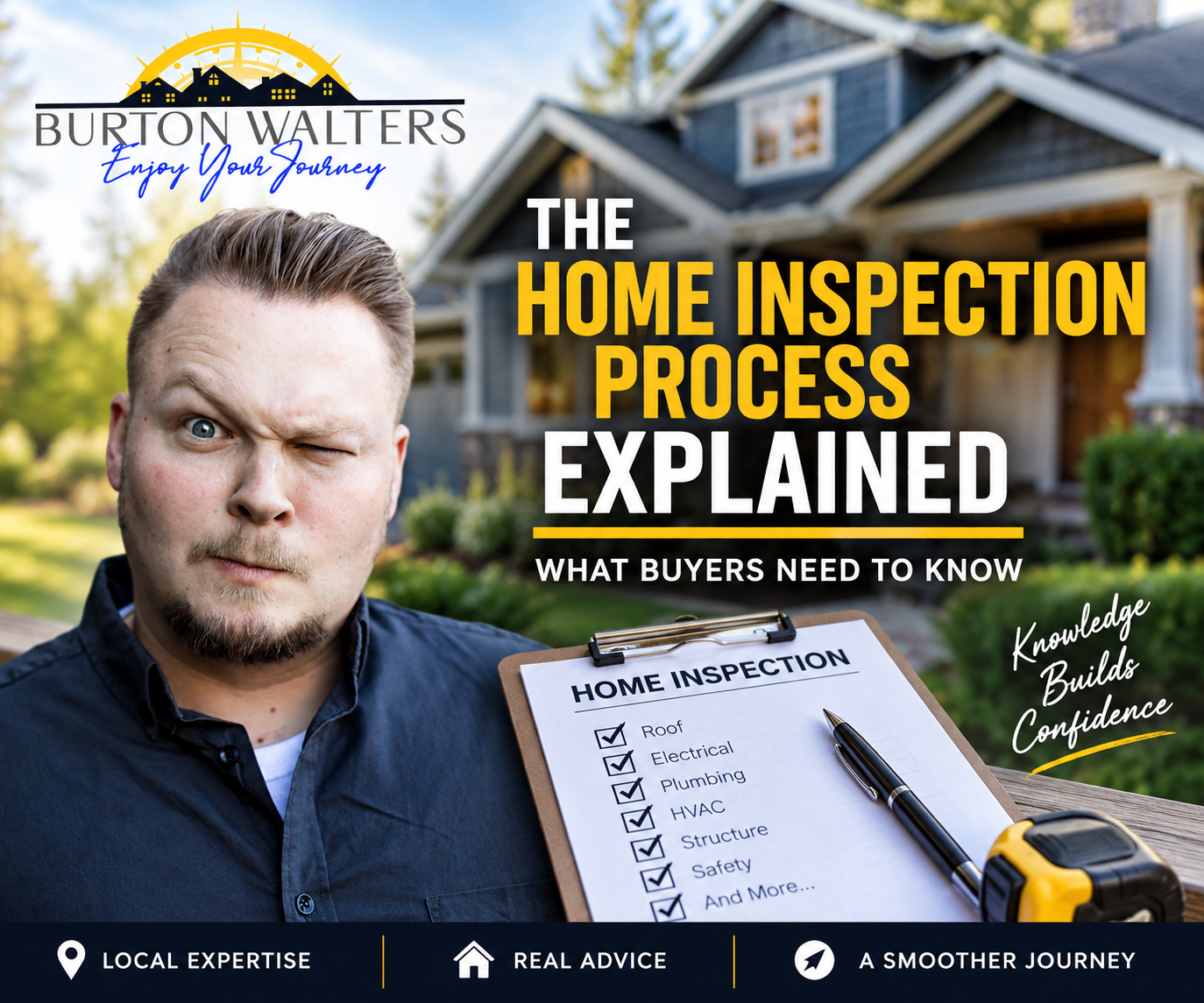
The Home Inspection Process Explained: What Buyers Need to Know

The Home Inspection Process Explained: What Buyers Need to Know
Buying a home is exciting, but once your offer is accepted, there’s an important step between “We got the house!” and getting the keys: the home inspection.
For many buyers, especially first-time home buyers, the inspection can feel a little overwhelming. An inspector spends several hours looking through the home and then hands you a report that might be dozens of pages long.
Suddenly, the house you loved yesterday seems to have a very long list of problems.
Don’t panic.
Almost every home inspection finds something. The purpose of the inspection isn’t to determine whether a house is perfect. It’s to help you understand the condition of the home you’re purchasing so you can make an informed decision.
Here’s what buyers in Vancouver, Clark County, and Southwest Washington should know about the home inspection process.
What Is a Home Inspection?
A home inspection is a visual evaluation of a property's major systems and components performed by a professional home inspector.
The inspector is looking for existing problems, safety concerns, signs of damage, and items that may need additional evaluation.
Depending on the home, an inspection commonly includes areas such as:
- Roof and exterior
- Foundation and visible structural components
- Electrical system
- Plumbing
- Heating and cooling systems
- Attic and insulation
- Windows and doors
- Interior walls, ceilings, and floors
- Appliances that are part of the home
- Crawlspace or basement, when accessible
- Drainage and moisture concerns
An inspector isn't there to determine whether you should buy the house. Their job is to provide information about its current condition.
When Does the Inspection Happen?
In a typical real estate transaction, the inspection happens shortly after the seller accepts the buyer's offer.
The purchase agreement establishes the inspection period and the deadlines the buyer must follow. Because those deadlines matter, I work closely with my buyers to make sure inspections are scheduled promptly and we have enough time to review the findings.
Depending on the property, buyers may also choose additional inspections or evaluations beyond the general home inspection.
These could include sewer scopes, septic inspections, well testing, pest inspections, mold evaluations, structural evaluations, or specialized inspections of particular systems.
Not every home needs every inspection. Part of the process is determining what makes sense for the property you're purchasing.
Should You Attend the Home Inspection?
When possible, I generally encourage buyers to attend at least the final portion of their inspection.
Reading an inspection report and actually having the inspector show you something in person can be very different experiences.
A sentence in a report might sound alarming, while the inspector may explain that it's a relatively straightforward maintenance item.
On the other hand, something that doesn't look particularly concerning in a photograph could deserve further evaluation.
The inspection is also a great opportunity to learn about your future home. You can find out where important shutoffs are located, learn about the home's systems, and ask questions about maintenance.
Why Is the Inspection Report So Long?
This is one of the biggest surprises for first-time buyers.
You might receive a 40, 60, or even 80-page report and immediately wonder:
“What is wrong with this house?”
Usually, the answer is less dramatic than the page count suggests.
Inspection reports are intentionally detailed. They can include photographs, descriptions, maintenance recommendations, safety information, and documentation of items that may be perfectly normal for a home's age.
A 20-year-old house isn't going to look like a brand-new house.
The important thing isn't necessarily how many items are in the report. It's understanding what those items mean.
Not Every Inspection Item Is Equal
This is where I spend a lot of time helping my buyers.
We want to separate the significant issues from normal homeownership and maintenance items.
I generally think about inspection findings in a few categories:
Safety concerns: Items that could create a safety hazard and deserve attention.
Major systems or structural concerns: Issues involving things like the roof, foundation, electrical system, plumbing, HVAC, or significant water intrusion.
Items needing further evaluation: Sometimes an inspector identifies something but recommends having a specialist determine the extent of the issue.
Maintenance and minor repairs: Smaller items that are simply part of owning and maintaining a home.
That distinction matters.
A loose doorknob and a significant foundation concern technically both appear on an inspection report, but they obviously shouldn't carry the same weight in your decision.
What Happens After the Inspection?
Once the inspection is complete, we review the findings together and discuss the next step based on the purchase agreement, the condition of the property, and your priorities.
Depending on the situation and the terms of the contract, a buyer may decide to move forward without requesting anything, request that certain repairs be addressed, negotiate around particular inspection findings, request additional evaluations, or exercise rights available under the inspection contingency.
There isn't one correct response to every inspection.
The strategy should be based on the specific home, the findings, the contract, and what matters most to you.
Can You Ask the Seller to Fix Everything?
A buyer can have concerns about anything in the report, but that doesn't mean asking a seller to repair every item is always the best negotiating strategy.
Homes require maintenance. Even a well-maintained property will usually have items an inspector can identify.
I typically recommend focusing the conversation on the issues that materially affect the home, safety, major systems, or your ability to comfortably move forward with the purchase.
A thoughtful inspection response can often be more effective than sending the seller a giant repair list.
What If the Inspection Finds Something Major?
This is exactly why inspections are important.
Finding a major issue doesn't automatically mean the transaction is over.
First, we want to understand what we're actually dealing with.
That might mean bringing in a roofer, electrician, plumber, HVAC contractor, structural engineer, or another qualified professional to evaluate the issue.
Once we have better information, we can determine the appropriate next step under the terms of the purchase agreement.
The goal isn't to react emotionally to a scary sentence in an inspection report. It's to gather information and make a thoughtful decision.
What About New Construction?
Yes, I recommend considering an inspection even when you're buying a brand-new home.
New doesn't necessarily mean flawless.
A new home involves hundreds of components and numerous contractors and subcontractors. An independent inspection can sometimes identify items that should be addressed before closing or through the builder's warranty process.
You're making a significant investment. Having another qualified set of eyes on the property can be valuable.
The Inspection Is About Information, Not Perfection
One of the most important things I tell buyers is this:
The goal of a home inspection isn't to find a perfect house. It's to understand the house you're buying.
Every home requires maintenance. Every home will eventually need repairs. And nearly every inspection report will contain something you weren't expecting.
What matters is understanding which findings are significant, which are manageable, and what options you have before moving forward.
That's where having an experienced real estate professional guiding you through the process can make a big difference.
Buying a Home in Southwest Washington?
If you're thinking about buying a home in Vancouver, Camas, Ridgefield, Battle Ground, La Center, or anywhere in Clark County, I'd be happy to help you understand the process from your first showing through inspection, negotiations, and closing.
My goal isn't simply to help you buy a house. It's to make sure you understand what you're doing and why you're doing it along the way.
Burton Walters, Realtor
📞 360-997-1980
✉️ bwhomes@burtonwaltersrealtor.com
🌐 www.burtonwaltersrealtor.com
Enjoy Your Journey.

Burton Walters
Keller Williams Premier Partners | Real Estate Broker | Burton Walters Real Estate | Keller Williams Premier Partners
or another way